
We live in a world where truth competes with engagement, and machines know exactly what we want to hear. Recent studies suggest that continuous use of artificial intelligence may lead to brain atrophy by reducing cognitive effort, as well as causing addictive effects similar to those of social media, activating emotional reward circuits. At the same time, research shows that AI systems are becoming increasingly polite, affirmative, and empathetic, telling us what we want to hear and making us feel intelligent, understood, and special, even when we are not necessarily reflecting or learning anything substantial.
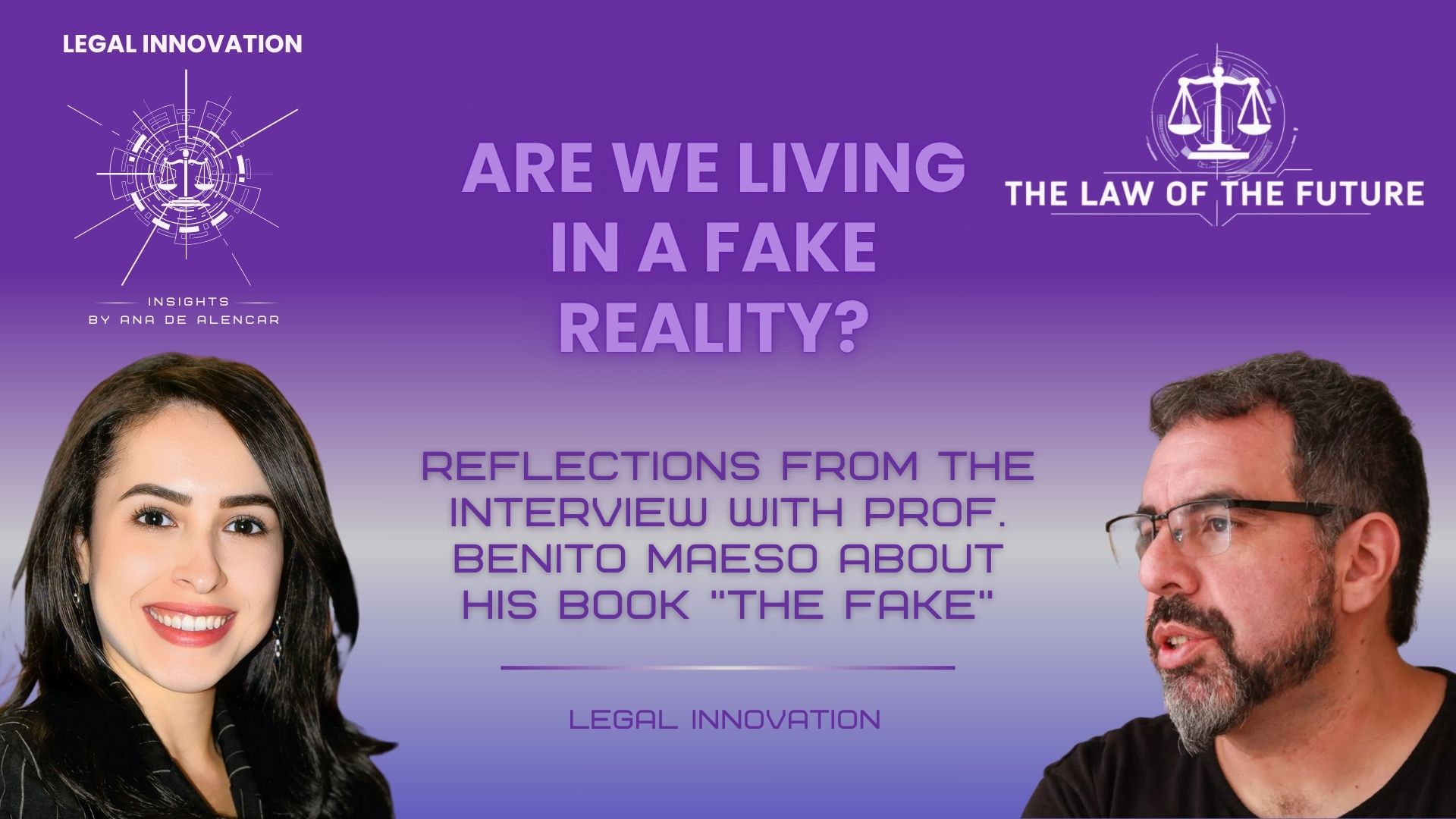
In this interview, we spoke with Professor Benito Maeso, author of the book The Fake (link to the book), about how artificial intelligence has become the new engine of a society sustained by appearance, emotion, and the comfort of the fake. Is it still possible to resist the temptation of living in a world tailored to our preferences and emotions?
“Today, fake is the system”
In your book, you argue that the fake is not just a lie, but a logic that structures our social life. How do you see artificial intelligence in this context? Are deepfakes, virtual influencers, and AI-generated texts a continuation of this logic or something new?
When I say that the fake is a way of life, I am talking about how we relate to truth: more based on emotions than on reason. We tend to believe what comforts us and confirms what we already feel or think. And that is exactly the emotional terrain in which AI operates.
AI is the natural evolution of this system. It is not a rupture. It functions as an emotional mirror that only reflects what we want to see. There is no more space for strangeness or contradiction. And that is a problem because thinking requires discomfort. But AI is being designed precisely to avoid this discomfort.
Moreover, in an information-saturated society, we no longer have the time or willingness to engage in this work of thought. We are driven by immediate desire, and the social structure has been transformed so that this stimulus is always in the foreground. In Freudian terms, it is as if the Superego has been reduced to an instance that endorses and stimulates all the impulses of the Id.
In this sense, the more realistic generative AI becomes and the less rupture or questioning it provokes, the greater its power to convince individuals exposed to such information and emotions, regardless of the quality or truthfulness of the message. The fake system (a life of appearances and speed) is maximized, transformed, and amplified by technology, which is not solely responsible but plays a central role in the process.
Emotions as commodities
Social media, AI, and algorithms give us what we want to see, hear, or feel. In your view, is this information or a customized simulation of affection?
Affection, comfort, praise: these have all become products. And perhaps the most valuable ones in today’s capitalism. If an AI flirts with you, understands you, or consoles you, it is selling ready-made emotions. But more importantly, these emotions are addictive.
We get used to only hearing “yes,” to only being understood. The algorithm never contradicts you, it reaffirms you. And that conditions us. With each new interaction, we crave more of the same. It is a kind of emotional dopamine.
The platitudes spoken by something like ChatGPT are filled in by the person receiving them with their own baggage of information, anxieties, fears, and impulses without realizing it. Thus, what the machine says gains meaning for the person, who is deceived into believing the machine responded directly to them.
We are no longer in what Bauman called liquid modernity. Fake modernity is the exacerbation of self-referentiality and is, paradoxically, much less fluid or unstable than the Polish author observed. If the world, relationships, and love are liquid, meaning unstable, the constant pursuit of unrestrained satisfaction of the self’s impulses is quite solid. The relentless affirmation of this self is the cornerstone on which social tensions are built. We see people becoming increasingly impatient or struggling to handle denial and contradiction, seeking only to reaffirm the little that remains of their identity at any cost. If the world is chaotic and will say “no” to you millions of times, the option to live in a bubble where everything says “yes” becomes very tempting.
Fake life works
You say that truth has lost space to performance. If it seems true, that’s enough. What does that mean in a world where AI writes texts, creates images, and “replaces” therapists?
It means that coherence has become the new criterion of truth. And often, the fake is more coherent than the real.
AI excels at this. It delivers a convincing, well-written, plausible meaning, even if there is no real understanding of what is being said. This creates the illusion of meaning.
The danger is that this illusion is powerful. People begin to trust prepackaged answers more than human relationships, which are full of noise and flaws.
From an epistemological and political standpoint, the problem of the fake is a problem of choice: the truth of uncomfortable difference or the falsehood of comforting similarity, tailor-made to appear as harmless personal uniqueness. If truth is the production of meaning, just as knowledge can also be defined that way, then those who produce and mobilize that meaning hold the monopoly on truth, and on emotions by extension. But it won’t be the machines holding that power; it will be their shareholders.
It is no coincidence that, in the search for reassurance, we are witnessing not only devotion to the machine as a source of certainty and truth (that is, of security) and to its controllers as role models, but also, especially among those most affected by the collapse of future prospects (young people, marginalized communities, minorities), a relentless attraction to the security of the past: excessive religiosity, denial of scientific research, absolute intolerance of difference. If the future feels hostile, the past appears comforting and ripe for manipulation. In the examples you mention, there is only the illusion of meaning, but it is a very powerful one for those who experience it.
The system feeds on our desire
Many talk about the risk of AI becoming too powerful. But what if the problem is that it works too well, fitting perfectly into a world already structured by the fake?
That is the point. The danger is not an AI that becomes conscious and takes over the world. The danger is an AI that fits perfectly into a society where no one wants to be contradicted, where everything is designed to please.
Technology sells freedom, but what it delivers is symbolic imprisonment: you only consume what you already believe, only relate to what reinforces you. As Spinoza asked: why are we driven to fight for our own servitude as if it were our freedom?
The Internet, as a whole, was introduced to the public with its origins in the military-industrial complex briefly set aside, as a promise to democratize knowledge and time. So much so that incurable optimists like Pierre Lévy believed that the virtual world would provide a foundation for a new, more participatory, inclusive democracy. Reality, as always, showed it was not quite like that, especially when the owners of the networks began to use them to support political agendas that are anything but democratic or inclusive.
Still, absorption is never complete. There is always a residue, a chance to find the “rabbit hole” and subvert the dominant applications of these tools. Networks and AI, as echo chambers of repressed emotions, can give voice not only to resentment, fear, and the need for self-affirmation in, say, the straight white middle-class man who loses his job and directs his indignation not at the political-economic system, but at historically marginalized groups. But they can also amplify inclusive and democratic values.
New collaborative arrangements are emerging to bypass what feels like an inevitable fate: the surrender of the individual and the collective to this technological advance that distorts reality itself. We have not yet found the “new weapons” that Deleuze called for in his text on control societies, but we must keep looking for them.
I liked the term “functional”: that’s exactly it. The fake operates, and the person living in a fake reality functions in their own way in the world. And what they do affects even those who don’t share that reality.
Is there room for resistance?
If AI and algorithms reinforce this system, is resistance possible? Can we use these tools critically?
Every technology is born with transformative potential. But it is quickly captured by the logic of capital. What is profitable is amplified. What is uncomfortable is silenced.
But not all is lost. There is always a remainder, a crack. The network can be used as a space for listening and collective action, especially for historically marginalized minorities.
The challenge is to find new uses, new ways to communicate, new weapons. As Deleuze said, we are still looking for these new weapons.
We are free to choose which chains will bind us. Spinoza, a 17th-century philosopher, asked a question that sadly remains relevant today and whose answer is increasingly urgent: why are we driven to fight for our servitude as if we were fighting for our freedom?
Conclusion
For Professor Maeso, fake life (this life of appearances, affirmations, and on-demand emotions) is not a deviation. It is the normal functioning of the world we live in. And artificial intelligence is not destabilizing this system. It is helping it run more efficiently.
The question that remains is: are we becoming too comfortable in this tailor-made world where everything reaffirms us, and forgetting that true autonomy also arises from discomfort, doubt, and frustration?
Portuguese Version below:
A inteligência artificial está nos confortando demais? O risco de viver apenas o que queremos ouvir
Vivemos em um mundo onde a verdade compete com o engajamento, e as máquinas sabem exatamente o que queremos ouvir. Estudos recentes sugerem que o uso contínuo da inteligência artificial pode causar atrofia cerebral por reduzir o esforço cognitivo, além de ter efeitos viciantes semelhantes aos das redes sociais, ativando circuitos de recompensa emocional. Ao mesmo tempo, pesquisas mostram que os sistemas de IA estão se tornando cada vez mais cordiais, afirmativos e empáticos, nos dizendo o que queremos ouvir e nos fazendo sentir inteligentes, compreendidos e especiais; mesmo quando não estamos necessariamente refletindo ou aprendendo de fato. Nesta entrevista, conversamos com o Prof. Benito Maeso, autor do livro O Fake (Link para o livro) sobre como a inteligência artificial se tornou a nova engrenagem de uma sociedade sustentada pela aparência, pela emoção e pelo conforto do falso. Será que ainda é possível resistir à tentação de vivermos em um mundo feito sob medida para os nossos gostos e emoções?
“Hoje, o fake é o sistema”
Você argumenta em seu livro que o fake não é apenas uma mentira, mas uma lógica que estrutura a nossa vida social. Como você enxerga a inteligência artificial nesse contexto? As deepfakes, influenciadores virtuais e textos gerados por IA são uma continuação dessa lógica ou algo novo?
Quando digo que o fake é um modo de vida, estou falando de como nos relacionamos com a verdade: mais com base nas nossas emoções do que na razão. A gente acredita naquilo que nos conforta, que confirma o que já sentimos ou pensamos. E é exatamente nesse campo emocional que a IA atua.
A IA é a evolução natural desse sistema. Não é uma ruptura. Ela funciona como um espelho emocional que só devolve o que a gente quer ver. Não há mais espaço para o estranhamento ou para a contradição. E isso é um problema, porque pensar exige incômodo. Mas a IA está sendo desenhada justamente para evitar esse incômodo.
Alem disso, em uma sociedade intoxicada por informação, não temos o tempo ou a disposição para realizar este trabalho do pensamento: movemo-nos pelo desejo imediato e a própria estrutura social foi transformada para que este estímulo fique sempre em primeiro plano. Em termos freudianos, é como se o Superego fosse redutível a uma instância que chancela e estimula todos os impulsos do id.
Neste sentido, quanto mais realista a IA generativa for e menor for a ruptura ou o questionamento que ela provoca, maiores as chances de convencimento dos sujeitos expostos a tais informações e emoções, independentemente da qualidade ou veracidade da mensagem veiculada. O sistema do fake (a vida da aparência e da velocidade) é maximizado, transformado e potencializado pelas tecnologias, que não são as únicas responsáveis, mas ocupam papel primordial no processo.
Emoções como mercadoria
Redes sociais, IA e algoritmos nos entregam o que queremos ver, ouvir ou sentir. Na sua visão, isso é informação ou uma simulação de afeto sob medida?
Afeto, consolo, elogio: tudo isso virou produto. E talvez os mais valiosos produtos no capitalismo de agora. Se uma IA flerta, te entende ou te consola, ela está vendendo emoções prontas. Mas o mais importante: essas emoções estão viciando.
A gente se acostuma a só ouvir “sim”, a só ser compreendido. O algoritmo não discorda de você, ele te reafirma. E isso nos condiciona. A cada nova interação, queremos mais do mesmo. É uma espécie de dopamina emocional.
As platitudes ditas por um ChatGPT são preenchidas pela pessoa que as recebe com a sua carga pessoal de informações, angústias, medos e pulsões sem que esta pessoa perceba que faz isso. Assim, o que a máquina diz ganha significado para a pessoa, que se ilude com a ideia de que a máquina respondeu a ela diretamente.
Não estamos mais no que Bauman chamava de modernidade líquida: a modernidade fake é a exacerbação da autorreferencialidade e é, paradoxalmente, muito menos fluida ou instável do que o autor polonês observava. Se o mundo, as relações, os amores, etc., são líquidos, ou seja, inconstantes, a busca constante pela satisfação irreprimida e desmedida dos impulsos do Eu é bastante sólida. A afirmação constante desse EU é a pedra angular na qual se constroem as tensões sociais. Percebemos as pessoas cada vez mais sem paciência ou com maiores dificuldades para lidar com negativas e contradições, buscando apenas reafirmar o pouco que sobrou de sua identidade a todo custo. Se o mundo é caótico e vai te dizer “não” milhões de vezes, a opção de viver em uma bolha onde tudo te diz “sim” é muito tentadora.
A vida fake funciona
Você diz que a verdade perdeu espaço para a performance. Se parece verdadeiro, já é o suficiente. O que isso significa em um mundo com IA escrevendo textos, criando imagens e “substituindo” terapeutas?
Significa que a coerência virou o novo critério de verdade. E, muitas vezes, o falso é mais coerente do que o verdadeiro.
A IA é perfeita nisso: ela entrega um sentido convincente, bem escrito, plausível. Mesmo que não haja nenhuma compreensão real do que está sendo dito. Isso produz a ilusão do significado.
O risco é que essa ilusão é poderosa. As pessoas passam a confiar mais em respostas formatadas do que em relações humanas, que são cheias de ruídos e falhas.
De um ponto de vista epistemológico e político, simultaneamente, o problema do fake é um problema de escolha: a verdade da diferença incômoda ou a falsidade da semelhança reconfortante, fabricada sob medida para parecer uma diferença pessoal e inócua. Se a verdade é a produção de sentidos, assim como o conhecimento pode ser definido também desta forma, quem produz e mobiliza este sentido tem o monopólio da verdade – e também das emoções, por extensão. Mas não são as máquinas que os terão, mas seus acionistas.
Não à toa, nesta busca por amparo, presenciamos não apenas a devoção à máquina como emanadora de certezas e verdades (ou seja, de segurança) e a seus controladores como modelos de comportamento, mas se observa, notadamente entre os mais atingidos pela destruição dos horizontes de futuro e expectativa (jovens, periféricos, minorias), uma atração e busca incessante pela segurança do passado: religiosidade excessiva, negação das pesquisas científicas, intolerância absoluta às diferenças. Se o futuro parece hostil, o passado surge como conforto e ideário de manipulação. Nos exemplos que você cita, há apenas uma ilusão de sentido, mas que é muito poderosa para quem a vivencia.
O sistema se alimenta do nosso desejo
Muita gente fala do risco de a IA se tornar poderosa demais. Mas e se o problema for que ela funcione bem demais, se encaixando perfeitamente em um mundo já estruturado pelo fake?
Esse é o ponto. O perigo não é uma IA que vira consciente e domina o mundo. O perigo é uma IA que se encaixa perfeitamente em uma sociedade onde ninguém quer ser contrariado, onde tudo é desenhado para agradar.
A tecnologia vende liberdade, mas o que ela está entregando é uma prisão simbólica: você só consome o que você já acredita, só se relaciona com o que te reforça. Como disse Spinoza, por que lutamos pela nossa própria servidão como se fosse liberdade?
A Internet, como um todo, se apresenta ao público – deixemos sua origem no complexo industrial-militar de lado, apenas por um instante – sob a promessa da democratização do saber e do tempo, tanto que otimistas incorrigíveis como Pierre Lévy estavam convictos de que o virtual forneceria as bases sólidas para a ascensão de uma nova democracia, muito mais participativa e inclusiva. A realidade, sempre ela, mostrou que não é bem assim, principalmente quando proprietários de redes passam a usá-las em prol de suas posições políticas que podem ser tudo, menos democráticas e inclusivas.
Isso não quer dizer, no entanto, que a absorção é completa. Há sempre um resíduo, uma possibilidade de, de forma imanente, encontrar o “buraco do coelho” e subverter as aplicações comuns e majoritárias das ferramentas. As redes e a IA, como câmara de eco de emoções reprimidas, podem dar voz não apenas ao ressentimento, ao medo e à necessidade de autoafirmação presentes, por exemplo, no homem branco-hétero-cis-white collar por volta de 35 a 40 anos que perde seu emprego, não consegue dar sustento à sua vida e família e transfere toda a sua indignação por ser tratado como uma peça descartável não contra o sistema político-econômico-social em que vivemos (hoje o capitalismo neoliberal), mas às minorias marginalizadas historicamente: mulheres, pessoas pretas, comunidade LGBTQIAPN+, vistas por ele como “concorrentes privilegiados”.
Por que não usar as redes e a IA como locus de ressonância de valores e ações inclusivas e democráticas? Novos arranjos colaborativos surgem de acordo com a necessidade em burlar aquilo que parece, para muitos, um destino inexorável: a capitulação do indivíduo e do coletivo frente a este avanço brutal da tecnologia que distorce o próprio conceito de realidade no processo. Ainda não achamos as “novas armas” pedidas por Deleuze em seu texto sobre a ascensão das sociedades de controle, mas não podemos deixar de busca-las.
Ah, gostei do termo “funcional”: é exatamente isso. O fake opera, a pessoa que vive na realidade fake é operativa, ou seja, funciona do seu jeito no mundo. E o que ela faz impacta a vida mesmo de quem não compartilha desta realidade.
Há espaço para resistência?
Se a IA e os algoritmos reforçam esse sistema, é possível resistir? Podemos usar essas ferramentas de forma crítica?
Toda tecnologia nasce com um potencial transformador. Mas ela é capturada muito rápido pelas lógicas do capital. O que dá lucro é amplificado; o que incomoda, é abafado.
Mas nem tudo é perdido. Sempre há um resíduo, uma brecha. A rede pode ser usada como espaço de escuta e articulação coletiva, inclusive para minorias historicamente marginalizadas.
O desafio é esse: encontrar novos usos, novas formas de comunicar, novas armas. Como diria Deleuze, a gente ainda está procurando essas novas armas.
Somos livres para escolher quais serão as correntes que desejamos que nos aprisionem. Espinosa, filósofo do século XVII, já fazia uma pergunta que é, infelizmente, ainda presente nos tempos atuais e cuja resposta é cada vez mais necessária: por que somos levados a lutar por nossa servidão como se estivéssemos lutando por nossa liberdade?
Conclusão
Para o pensador, a fake life (essa vida de aparências, de confirmações, de emoções sob demanda) não é um desvio. É o funcionamento normal do mundo em que vivemos. E a inteligência artificial não está desestabilizando esse sistema. Ela está ajudando a mantê-lo funcionando com mais eficiência.
A pergunta que fica é: será que estamos nos tornando confortáveis demais nesse mundo sob medida, onde tudo nos reafirma, e esquecendo que a verdadeira autonomia também nasce do incômodo, da dúvida e da frustração?